


Effective Recovery Tips After the Boston Marathon at Plunge Boston
- Plunge Boston Team

- Apr 20
- 3 min read
Running the Boston Marathon is a remarkable achievement that pushes your body to its limits. After crossing the finish line, your focus should shift to recovery to help your muscles heal, reduce soreness, and restore energy. At Plunge Boston, we offer a range of recovery options designed to support marathon runners in bouncing back stronger and faster. This blog shares practical recovery tips and explains how Plunge Boston can be an essential part of your post-marathon routine.
Why Recovery Matters After the Boston Marathon
Running 26.2 miles demands intense physical effort. Your muscles experience microtears, your joints endure impact stress, and your energy stores deplete. Without proper recovery, you risk prolonged soreness, injury, and fatigue. Recovery helps:
Repair muscle tissue
Reduce inflammation
Replenish glycogen stores
Restore mental focus
Effective recovery accelerates healing and prepares you for your next training cycle or race.
Start With Active Recovery
Immediately after the marathon, avoid complete inactivity. Gentle movement promotes blood flow and helps clear metabolic waste from muscles. Consider:
Walking for 10 to 15 minutes
Light stretching focusing on calves, hamstrings, and quads
Easy cycling or swimming the day after the race
Active recovery reduces stiffness and speeds up muscle repair.
Use Cold Therapy at Plunge Boston
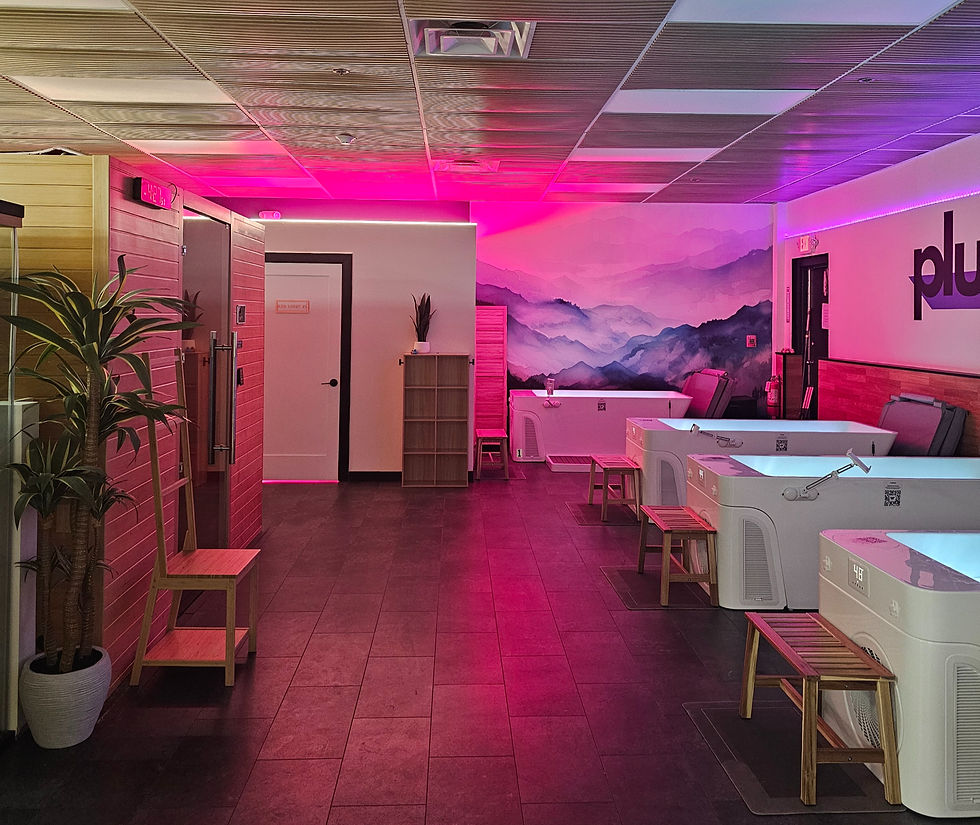
Cold therapy is one of the most effective ways to reduce inflammation and muscle soreness after long-distance running. At Plunge Boston, our cold plunge pools maintain water temperatures between 50°F and 59°F, ideal for post-marathon recovery.
Benefits of Cold Plunge
Constricts blood vessels to reduce swelling
Numbs nerve endings to relieve pain
Flushes out lactic acid and toxins
Speeds up muscle recovery
For best results, immerse yourself for 5 to 10 minutes within 24 hours after the marathon. Repeat sessions over the next few days can further aid recovery.
Hydrate and Refuel Properly
Hydration and nutrition are critical to recovery. After the marathon, your body needs fluids and nutrients to repair and replenish.
Hydration Tips
Drink water consistently throughout the day
Include electrolyte drinks to replace sodium, potassium, and magnesium lost through sweat
Avoid excessive caffeine or alcohol, which can dehydrate you
Nutrition Tips
Eat a balanced meal with carbohydrates, protein, and healthy fats within 30 to 60 minutes after finishing
Focus on lean proteins like chicken or tofu to support muscle repair
Include complex carbs such as brown rice, quinoa, or sweet potatoes to restore glycogen
Add antioxidant-rich fruits and vegetables to reduce oxidative stress
Prioritize Rest and Sleep
Your body heals best during rest. Marathon recovery requires quality sleep to rebuild muscle fibers and regulate hormones.
Aim for 7 to 9 hours of sleep per night
Create a relaxing bedtime routine to improve sleep quality
Avoid screens and stimulants before bed
If you feel fatigued during the day, short naps (20-30 minutes) can help boost energy without disrupting nighttime sleep.
Incorporate Gentle Stretching and Mobility Work
After the initial soreness subsides, gentle stretching and mobility exercises help restore flexibility and prevent stiffness.
Focus on major muscle groups used in running: calves, hamstrings, quadriceps, hip flexors, and lower back
Use foam rollers or massage tools to release tight spots
Try yoga or Pilates sessions designed for runners
These practices improve circulation and maintain joint health.
Listen to Your Body and Adjust Your Routine
Every runner recovers differently. Pay attention to how your body feels and adjust your recovery plan accordingly.
If pain persists beyond a week, consult a healthcare professional
Avoid intense workouts until soreness and fatigue diminish
Gradually reintroduce running with easy, short sessions
Recovery is a process, not a race.
How Plunge Boston Supports Your Marathon Recovery
Plunge Boston offers a welcoming environment with facilities tailored for athlete recovery. Our cold plunge pools, combined with expert guidance, provide a safe and effective way to reduce soreness and inflammation. Many marathon runners find that regular sessions at Plunge Boston help them recover faster and feel more energized.
We also offer:
Warm therapy (Sauna) options to complement cold plunges
Relaxation spaces including red light therapy to unwind after your session
Normatec Compression System to flush the legs
Using Plunge Boston as part of your post-marathon routine can make a significant difference in how quickly you bounce back. No appointment needed. Grab a pass online or just stop in for a session!

Comments